
A guide for existing customers.
If you’re a business looking to improve sustainability and reduce waste, understanding what materials can be recycled is essential. This commercial recycling guide is designed to help existing customers quickly identify acceptable and non-acceptable items, ensuring efficient pickup service and compliance with recycling standards.
Print this brochure about plastic to post at your business so that employees will know what can be recycled and what cannot. Know before you throw! Click Here to download.
What Materials Are Accepted for Commercial Recycling?
Businesses can recycle a wide range of common materials. To ensure proper processing, all recyclables should be clean, dry, and free of contamination.
Accepted recyclable materials include:
- Paper products: Office paper, mail, newspapers, magazines, and cardboard
- Corrugated cardboard: Flattened boxes without food residue
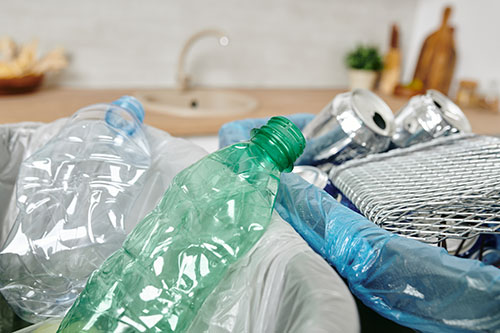
- Plastics: Bottles and containers labeled #1–#2 (and other approved plastics where applicable)
- Metals: Aluminum cans, steel cans, and tin containers
- Glass: Bottles and jars (if included in your service plan)
Recycling these materials helps reduce landfill waste, lowers disposal costs, and supports your company’s environmental goals.
Oh, and by the way...
- Rinse or wipe clean all food or other reside from bottles and containers
What Items Are Not Accepted?
Certain materials cannot be processed through standard commercial recycling programs. Including these items may contaminate recyclable loads and result in additional fees or service interruptions.
Do NOT include the following:
- Food waste or liquids
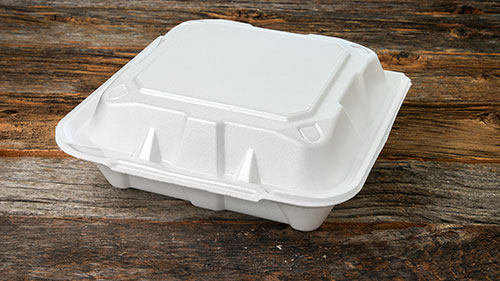
- Styrofoam or foam packaging
- Plastic bags or film wrap
- Hazardous materials (chemicals, batteries, medical waste)
- Electronics (e-waste)
- Non-recyclable plastics (such as #3–#7, unless specified)
- Soiled paper products (greasy pizza boxes, paper towels)
If your business generates these materials, ask about specialized recycling or disposal solutions.
Tips for Businesses to Improve Recycling Efficiency
Implementing best practices can help your team stay compliant and maximize recycling efforts:
- Schedule regular pickups to avoid overflow
- Label bins clearly to reduce contamination
- Train employees on what can and cannot be recycled
- Break down cardboard boxes to save space
- Keep recyclables dry and clean
Why Proper Recycling Matters for Your Business
Effective recycling programs not only protect the environment but also improve operational efficiency. By following these guidelines, your business can:
- Reduce waste management costs
- Maintain compliance with local regulations
- Enhance your brand’s sustainability reputation
- Contribute to a cleaner, greener community
If you’re unsure whether a specific item is recyclable, it’s always best to check before disposal. Proper sorting ensures smoother service and helps keep recycling programs running efficiently.